
Owners & handlers
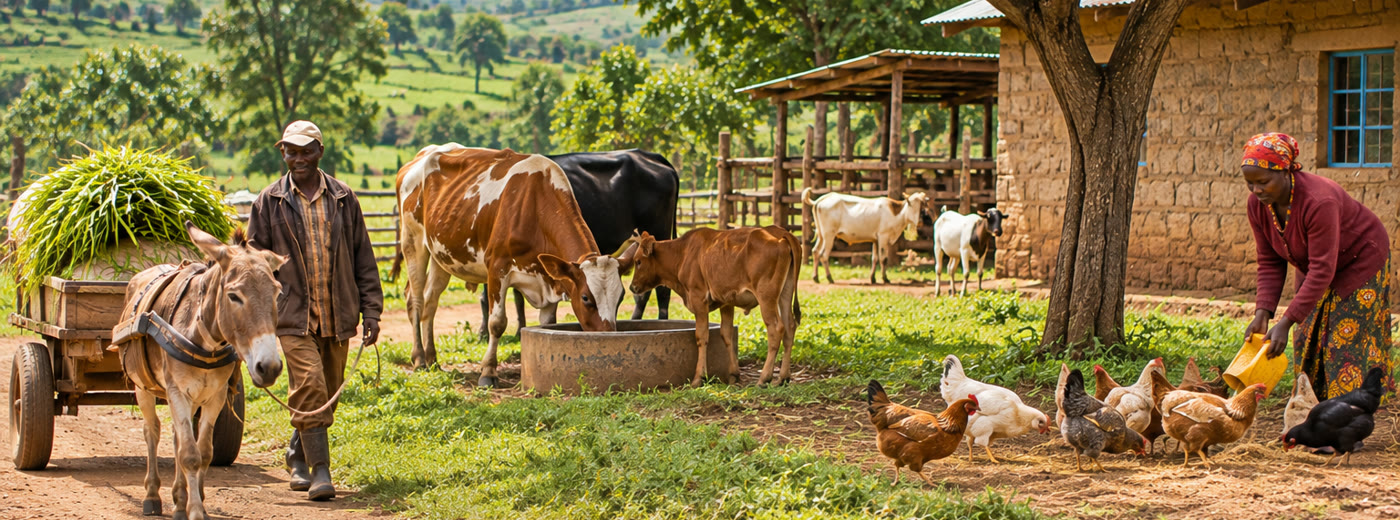
Provide daily care: water, feed, rest, suitable equipment and observation.
Why it matters
Domesticated animals are part of the fabric of everyday life. They help households earn a living, support farming, provide food and move goods. Because they are familiar, their needs can become easy to overlook: and what we overlook, we stop talking about. Familiarity should never make suffering invisible.
Animal welfare includes an animal’s physical and mental state. Food, water, shelter, health, comfort, social and behavioural needs, and freedom from fear all contribute to wellbeing. The way people handle animals can improve or undermine those conditions.
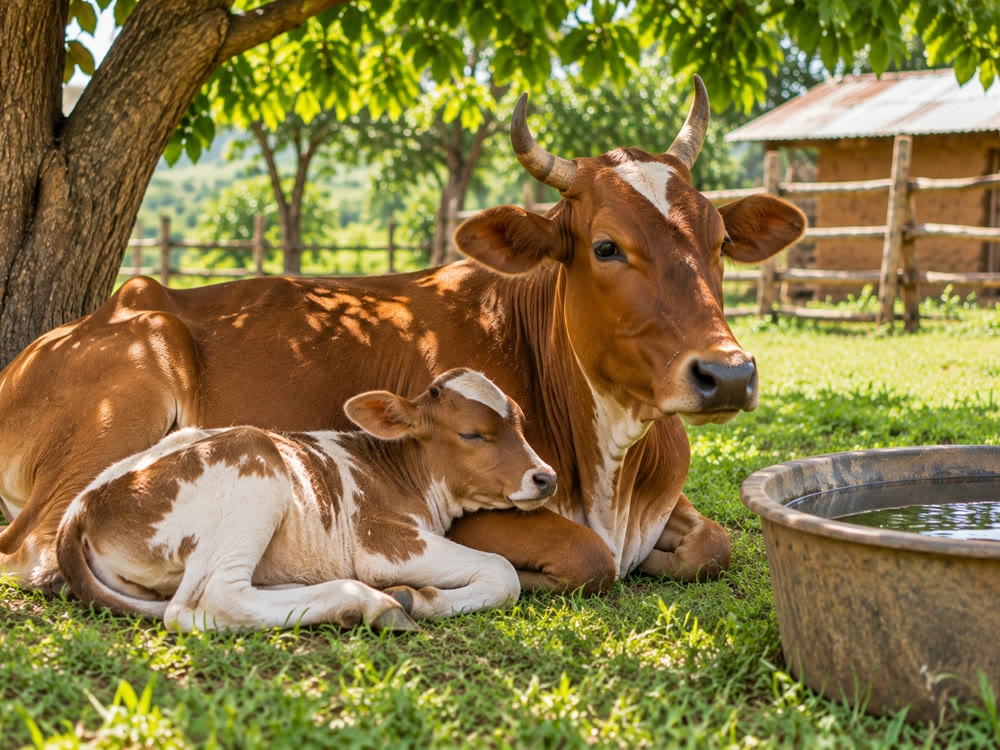
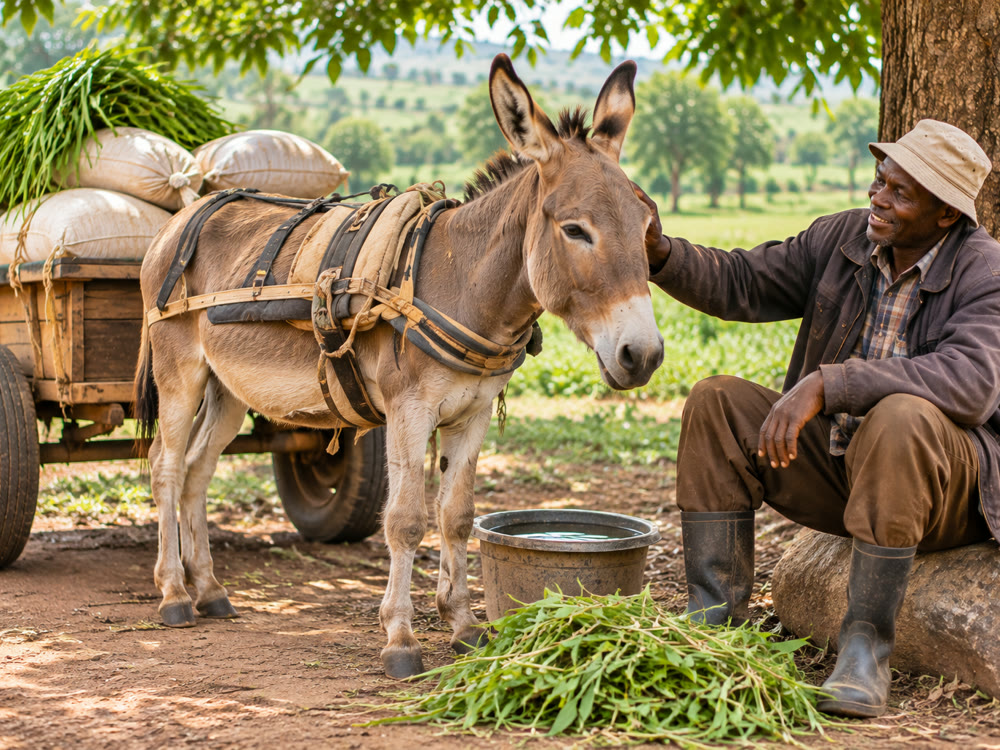
A working animal needs appropriate equipment, manageable work, suitable food and water, rest, a safe environment and veterinary attention when sick or injured.
When a load cannot be moved safely, the answer is to stop, assess the situation and seek practical help, not to increase force.
Better welfare is not only a moral concern. Healthy animals are more likely to remain able to support household livelihoods. Education, access to animal-health services and supportive community networks can help owners make improvements.
Provide daily care: water, feed, rest, suitable equipment and observation.
Share reliable information and raise concerns safely when something looks wrong.
Offer advice, treatment and reviewed educational content.
Provide services, encourage humane practices and coordinate referrals.
Positioning note: this platform expands compassion; it does not compete with wildlife conservation. Care for animals in parks and care for animals beside us can and should coexist.